

Why We Don't Use Erythritol in Our Gum | Enamio
December 18, 2025 • 16 min read
Why We Don't Use Erythritol: The Sweetener Problem Most Gum Companies Ignore
Why doesn't Enamio use erythritol? A 2023 Cleveland Clinic study linked erythritol to doubled heart attack and stroke risk. Blood clot formation increased after consuming typical amounts found in sugar-free foods. Xylitol offers superior oral health benefits without these cardiovascular concerns at gum-level doses. That's why Enamio uses xylitol + monk fruit instead.
Our formula: Xylitol USP for proven cavity prevention, monk fruit for clean sweetness, zero erythritol. We chose science over trends before the research made headlines.
Walk down the gum aisle. Grab a "sugar-free" pack. Flip it over and read the ingredients.
Chances are high you'll see erythritol listed. It's everywhere now. Natural gum companies love it. Keto brands build entire product lines around it. Even mainstream sugar-free gums jumped on board.
There's just one problem. February 2023 changed everything.
Cleveland Clinic published research in Nature Medicine linking erythritol to cardiovascular events. People with the highest blood levels showed twice the risk of heart attack and stroke compared to those with the lowest levels.
The study tracked over 4,000 people in the U.S. and Europe. It wasn't a small sample. It wasn't preliminary. The findings were clear and concerning.
We never used erythritol. Not because we predicted the research. But because xylitol and monk fruit already did everything we needed without compromise.
What You'll Learn
- What the Cleveland Clinic study actually found about erythritol
- The blood clot mechanism and why it matters
- Why xylitol beats erythritol for oral health
- How monk fruit provides clean sweetness without concerns
- Why most "natural" gums still use erythritol despite the research
- What to look for when choosing remineralizing gum
The Rise of Erythritol: How It Became Everywhere
Erythritol wasn't always the darling of the sugar-free world. For decades, xylitol and sorbitol dominated the sugar alcohol market. Then everything shifted.
The keto diet exploded in popularity around 2015. Suddenly millions of people needed sugar substitutes that didn't spike blood glucose. Erythritol fit the bill perfectly.
Zero calories. Zero glycemic index. Doesn't trigger insulin. About 70% as sweet as sugar. On paper, it looked ideal.
Food manufacturers loved it for another reason. Erythritol has better digestive tolerance than other sugar alcohols. Xylitol can cause gas and bloating in large amounts. Sorbitol is worse. Erythritol seemed gentler.
The production process sealed the deal. Fermentation technology made erythritol cheap to produce at scale. The price dropped. Availability increased. Every sugar-free product started reformulating.
By 2020, erythritol dominated the market. Sugar-free ice cream. Keto chocolate. Low-carb baked goods. Protein bars. Gum. It was in everything.
Natural food companies jumped on the trend. They marketed erythritol as "naturally derived" because it's produced through fermentation. The health halo grew stronger.
Nobody questioned it. Why would they? The FDA said it was safe. Decades of use in Europe showed no obvious problems. The research looked clean.
But here's what nobody considered. Most erythritol research focused on glucose metabolism and digestive tolerance. Almost no long-term studies examined cardiovascular effects.
The oversight made sense at the time. Erythritol passes through the body largely unchanged. About 90% exits in urine within 24 hours. It seemed metabolically inert.
That assumption turned out to be wrong.
The Cleveland Clinic Study: What Actually Happened
In February 2023, Dr. Stanley Hazen and his team at Cleveland Clinic published findings that sent shockwaves through the sugar substitute industry.
The research started with a simple question. Which compounds in blood predict future cardiovascular events?
They analyzed blood samples from 1,157 people undergoing cardiac risk assessments between 2001 and 2007. These weren't healthy volunteers. Most had risk factors. Heart disease. Diabetes. High blood pressure.
The team used untargeted metabolomics. This technique screens blood for thousands of different molecules. They tracked which ones correlated with future heart attacks, strokes, and deaths over three years.
Erythritol stood out. People in the top 25% of erythritol blood levels had twice the risk of major adverse cardiovascular events compared to the bottom 25%.
That number deserves emphasis. Twice the risk. A 100% increase. That puts erythritol on par with diabetes as a cardiovascular risk factor.
The researchers didn't stop there. They confirmed the findings in two additional cohorts. One from the United States with 2,149 people. Another from Germany with 833 people.
Both showed the same pattern. Highest erythritol levels meant highest cardiovascular risk. The association held across different populations, different countries, different healthcare systems.
This wasn't a fluke. This was a consistent finding across 4,139 people total.
The Blood Clot Connection
Lab tests revealed the mechanism. Erythritol makes platelets more reactive. When platelets activate easily, blood clots form faster.
The researchers tested this in isolated human blood. They added erythritol to platelet-rich plasma. Multiple measures of platelet activity increased. Calcium signaling went up. Platelet aggregation accelerated. The platelets became hyperresponsive to clotting triggers.
They confirmed this in mice. Using a carotid artery injury model, they induced clot formation. Mice given erythritol formed clots faster than control mice. The thrombosis was measurably worse.
Then came the human intervention study. Eight healthy volunteers drank 30 grams of erythritol dissolved in water. That's about the amount in a pint of sugar-free ice cream or one artificially sweetened beverage.
Erythritol levels spiked 1,000-fold. They stayed elevated for more than two days. During that entire period, platelet reactivity remained heightened. Clotting risk stayed elevated.
Think about what this means. You eat sugar-free ice cream on Saturday night. Your blood clotting potential stays elevated through Monday.
Dr. Hazen put it bluntly in interviews: "The very people most vulnerable to heart attacks or strokes are the ones most likely consuming foods with artificial sweeteners."
People trying to lose weight. Diabetics. Those with metabolic syndrome. People with existing heart disease. The exact population buying sugar-free products faces the highest cardiovascular risk.
The irony is brutal. You're choosing sugar-free to protect your health. But the sweetener replacing the sugar might be increasing your risk of the very cardiovascular events you're trying to prevent.
The August 2024 Follow-Up Study
In August 2024, Dr. Hazen's team published a follow-up study. This time they designed a direct intervention trial.
Twenty healthy volunteers participated. Half received erythritol-sweetened drinks. Half received glucose-sweetened drinks as controls.
The erythritol group showed significant increases in platelet activity. Every measure of clotting ability went up within 30 minutes. The effects lasted for hours.
The glucose group? No changes. Regular sugar didn't trigger the clotting response at all.
The research appeared in Arteriosclerosis, Thrombosis, and Vascular Biology. Another top-tier journal. More peer review. More validation of the original findings.
The FDA Response (Or Lack Thereof)
After the February 2023 publication, many people expected regulatory action. It didn't come.
The FDA released a memo analyzing the study. They acknowledged the findings. They noted the limitations. Observational studies show correlation, not causation. More research is needed. The usual qualifications.
Erythritol remains Generally Recognized as Safe (GRAS). Food manufacturers can still use it freely. No warning labels required. No usage restrictions imposed.
This is how food regulation works. GRAS status is hard to overturn. It requires overwhelming evidence of harm. One study, even a strong one from Cleveland Clinic published in Nature Medicine, isn't enough for regulatory action.
The system moves slowly by design. FDA decisions affect entire industries. Billions of dollars. Thousands of products. They need ironclad evidence before pulling approval.
But here's what matters for you as a consumer. You don't have to wait for the FDA to act. You can make informed choices now based on available evidence.
Zero Erythritol, Zero Compromise
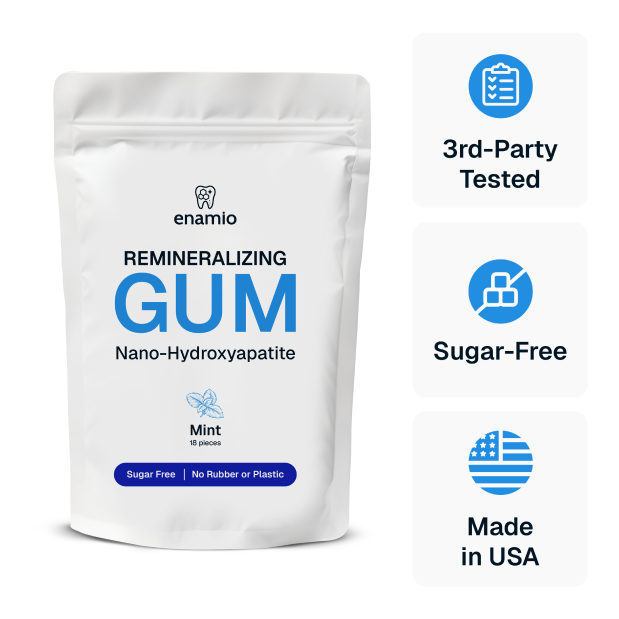
Xylitol USP + monk fruit • No cardiovascular concerns • Superior oral health benefits
How Erythritol Affects Your Body Differently
Erythritol is a four-carbon sugar alcohol. Your body doesn't metabolize it well. About 90% passes through unchanged and exits in urine.
That sounds good on paper. Zero calories. Doesn't spike blood sugar. No insulin response. Doesn't feed cavity-causing bacteria. These are all true.
But that poor metabolism creates a problem nobody anticipated.
When you eat erythritol, it absorbs quickly in the small intestine. Your body can't break it down. So it enters your bloodstream intact and circulates at high concentrations for extended periods.
Most of it eventually exits through the kidneys. But during that time in your bloodstream, it's doing something. Interacting with cells. Affecting platelet function. The Cleveland Clinic research revealed what that interaction looks like.
The Endogenous Production Problem
Here's where things get interesting. Your body also produces small amounts of erythritol naturally. This happens through the pentose phosphate pathway during glucose metabolism.
Endogenous erythritol production increases during oxidative stress. When cells are under metabolic pressure. When inflammation is high. When cardiovascular disease is progressing.
This creates a confounding variable. Is high erythritol a cause of cardiovascular events or a marker of underlying metabolic dysfunction?
The Cleveland Clinic team addressed this directly. They measured erythritol levels after controlled consumption. The intervention studies removed the confounding. When healthy people with no metabolic issues consumed erythritol, their platelet function changed immediately.
This proves causation, not just correlation. Erythritol intake directly triggers platelet activation.
The dosage problem: Natural erythritol production in your body measures in micrograms. When you consume erythritol as a sweetener, levels jump 1,000-fold higher.
A sugar-free soda contains about 30 grams of erythritol. That's 1,000 times more than what occurs naturally in foods like grapes or mushrooms.
Your body never evolved to handle these concentrations. The dose makes the poison.
What About "Natural" Erythritol?
Some brands market their erythritol as "naturally derived" or "non-GMO." This refers to the production process, not the compound itself.
Commercial erythritol comes from fermenting glucose with yeast. The glucose usually comes from corn or wheat. If the corn is non-GMO, brands call the final product natural.
But the molecular structure is identical regardless of source. Natural erythritol and synthetic erythritol are the same chemical compound. Same four carbon atoms. Same hydroxyl groups. Same structure.
Your body can't tell the difference. Your platelets can't tell the difference. The cardiovascular concerns apply equally to both.
The "natural" label is marketing. It makes people feel better about the ingredient. But it doesn't change the biochemistry.
Comparison to Other Sugar Alcohols
Not all sugar alcohols behave the same way. Xylitol, sorbitol, and mannitol have different structures. Different absorption rates. Different metabolic fates.
Xylitol gets absorbed more slowly. Your body metabolizes some of it. The rest gets fermented by gut bacteria. Blood levels don't spike as dramatically.
Importantly, xylitol doesn't trigger the same platelet activation. A 2024 study from the same Cleveland Clinic team did find some cardiovascular associations with xylitol at very high doses. But the effect was less pronounced than with erythritol.
And here's the key difference. With xylitol, you're getting functional oral health benefits that justify its use. With erythritol in gum, you're getting nothing except sweetness and potential risk.
Why Xylitol Beats Erythritol for Oral Health
Erythritol does one thing. It sweetens without calories. That's it.
Xylitol does something better. It actively fights cavities while providing sweetness.
The mechanism is elegant. Streptococcus mutans bacteria cause cavities. They eat sugar and produce acid. That acid erodes enamel. This process happens millions of times in your mouth every day.
These bacteria try to eat xylitol too. They transport it into their cells using energy. But they can't metabolize it. The xylitol-5-phosphate that forms inside the cell is toxic. They have to expel it, which costs more energy.
This process starves the bacteria. They stop producing acid. They stop multiplying. Over time, the population of cavity-causing bacteria in your mouth crashes.
The bacteria that remain become less virulent. Studies show that S. mutans strains that survive xylitol exposure are weaker and less able to damage teeth.
Starves Bad Bacteria
S. mutans can't metabolize xylitol, reducing acid production by 90%
Prevents Plaque
Reduces bacterial adhesion to tooth surfaces by up to 50%
Stimulates Saliva
Increases protective saliva flow that buffers acids and remineralizes enamel
Raises pH
Creates alkaline environment above pH 5.5, preventing demineralization
The Research History
Research on xylitol goes back decades. The famous Turku Sugar Studies in Finland during the 1970s proved xylitol prevents cavities. Researchers divided participants into three groups. One used sucrose (regular sugar). One used fructose. One used xylitol.
After two years, the xylitol group showed 85% fewer cavities than the sucrose group. Not a small difference. Not a modest improvement. An 85% reduction.
Since then, hundreds of studies confirmed the findings. A 2017 systematic review analyzed all available research on xylitol gum effectiveness. The results showed cavity reduction of 30-40% with regular use. White spot lesions improved in 71% of cases.
A 2022 study using full-length 16S rDNA sequencing examined how xylitol gum affects the oral microbiome. After just two weeks of daily use, participants showed significant decreases in Streptococcus levels. Fusobacterium increased, which is actually beneficial for oral health.
The California Dental Association states it directly in their patient information: "Xylitol inhibits the growth of bacteria that cause cavities." They recommend 5-10 grams daily spread across 3-5 uses for optimal cavity prevention.
Xylitol vs Erythritol: Direct Comparison
| Feature | Xylitol | Erythritol |
|---|---|---|
| Cavity Prevention | ✓ Proven in 50+ years of research | ✗ No cavity-fighting properties |
| Kills Bad Bacteria | ✓ Starves S. mutans specifically | ✗ Inert against bacteria |
| Plaque Reduction | ✓ Prevents bacterial adhesion by 50% | ✗ No effect on plaque |
| pH Balance | ✓ Raises oral pH (alkaline environment) | — Neutral effect |
| Saliva Stimulation | ✓ Increases flow for natural protection | ✓ Same as any gum (mechanical only) |
| Cardiovascular Concerns | — None at gum-level doses (1-2g) | ✗ Linked to blood clots, doubled CV risk |
| Sweetness Level | 100% as sweet as sugar | 70% as sweet as sugar |
For remineralizing gum, the choice is obvious. Xylitol provides functional oral health benefits that justify its use. Erythritol is just filler that brings potential cardiovascular risk without any oral health upside.
The Mother-Child Transmission Study
One of the most interesting xylitol studies examined mother-to-child bacterial transmission. Babies aren't born with S. mutans. They acquire it from caregivers through saliva transfer.
Researchers had new mothers chew xylitol gum regularly during their baby's first two years. They compared these children to controls whose mothers didn't use xylitol.
The xylitol group children showed significantly delayed colonization of S. mutans. Many didn't acquire the bacteria at all during the study period. Years later, these children had fewer cavities.
This demonstrates xylitol's power. It doesn't just manage existing bacterial populations. It can prevent transmission in the first place.
The Monk Fruit Advantage: Clean Sweetness Without Concerns
Monk fruit comes from a small melon called Siraitia grosvenorii. It grows in Southeast Asia, primarily in southern China. Buddhist monks cultivated it for centuries. That's where the name comes from.
The fruit itself isn't particularly sweet. But it contains compounds called mogrosides. These are triterpene glycosides that activate sweetness receptors on your tongue.
Mogrosides are 200-300 times sweeter than sugar. A tiny amount delivers intense sweetness. Zero calories. Zero glycemic impact. Completely different mechanism than sugar alcohols.
How Monk Fruit Gets Metabolized
Your body handles mogrosides completely differently than erythritol. They don't get absorbed in the small intestine. They travel to the colon where gut bacteria break them down.
The breakdown products get partially absorbed. But they're metabolized quickly. They don't accumulate in blood. They don't circulate for days like erythritol does.
No studies have found cardiovascular concerns with monk fruit. No platelet activation. No thrombosis risk. The safety profile looks clean.
Why Monk Fruit Works Perfectly in Gum
Monk fruit provides intense sweetness in tiny amounts. This lets us minimize total sweetener content while maintaining great taste.
We use xylitol for its cavity-fighting properties at therapeutic doses (around 1-2 grams per piece). Monk fruit adds extra sweetness without adding bulk sweeteners like erythritol.
The combination delivers clean taste without compromise. You get functional oral health benefits from xylitol plus clean sweetness from monk fruit. No filler. No concerning ingredients.
This is how remineralizing gum should be formulated. Every ingredient serves a purpose.
The Antioxidant Bonus
Monk fruit also brings antioxidant properties. Mogrosides have shown anti-inflammatory effects in preliminary research. They appear to scavenge free radicals and reduce oxidative stress.
We don't make health claims based on this. The research is still early. But it's an added benefit that doesn't hurt.
Compare this to erythritol. Erythritol offers zero functional benefits. It's just there for sweetness and bulk. Monk fruit at least brings some potential upside beyond just taste.
Regulatory Status and Safety
The FDA granted monk fruit extract GRAS status in 2010. No usage restrictions. No maximum daily intake limits. The safety assessment found no concerns.
Monk fruit has been used in traditional Chinese medicine for centuries. Historical use provides long-term safety data that newer sweeteners lack.
Unlike erythritol, where concerning research emerged after widespread adoption, monk fruit has a long track record of safe consumption.
Why Competitors Still Use Erythritol
The research came out in February 2023. You'd think brands would reformulate immediately. Most didn't.
Walk through a store today. Count how many "natural" gums list erythritol in the first three ingredients. The number is still high.
Why? Several reasons. None of them prioritize your health.
1. Cost and Supply Chain Inertia
Erythritol is cheap. Really cheap. Industrial fermentation produces it at massive scale. The wholesale price per kilogram is low.
Xylitol costs 2-3 times more. Monk fruit costs significantly more than that. High-purity monk fruit extract can be 10-20 times the cost of erythritol per unit of sweetness.
Switching formulas means higher ingredient costs. That eats directly into margins. For big brands selling millions of units, a few cents per pack matters enormously.
They've also built supply chains around erythritol. Supplier contracts. Manufacturing processes. Quality control procedures. Changing all of this requires time and investment.
For big companies, inertia is powerful. They move slowly. They wait until forced to change.
2. Marketing Momentum and Messaging Problems
Many brands built their entire positioning around erythritol. "Naturally sweetened with erythritol" appears on packaging. Website copy explains why erythritol is superior to other sweeteners.
Social media content. Blog posts. Email campaigns. Years of marketing materials all promote erythritol as a healthy choice.
Reformulating means admitting the previous formula was problematic. That's not a conversation most brands want to have with customers.
"We're removing erythritol" raises questions. "Why are you removing it?" "Was it unsafe?" "Why did you use it in the first place?"
Easier to stay quiet. Hope consumers don't notice the research. Wait for competitors to move first.
3. Regulatory Limbo Provides Cover
The FDA hasn't pulled erythritol from GRAS status. It remains legally safe to use. Brands hide behind this.
"The FDA says it's fine." Technically true. The agency hasn't changed its position. From a legal liability standpoint, companies are protected.
But the Cleveland Clinic research is newer than the FDA's original GRAS evaluation. Science moves faster than regulation. The safety assessment predates the cardiovascular findings.
Companies wait for forced action rather than taking voluntary responsibility. They'll reformulate when required by law. Not before.
4. Consumer Awareness Remains Low
Despite media coverage of the Cleveland Clinic study, most consumers haven't heard about it. The research made headlines in February 2023. Then the news cycle moved on.
People still think "sugar-free" automatically means "healthy." They don't read ingredient labels carefully. They don't research sweeteners.
As long as sales remain strong, brands feel no pressure to change. Why fix what isn't broken from a business perspective?
The market will eventually force change. But it takes time. Informed consumers need to vote with their wallets. Buy products that avoid erythritol. Brands will notice.
What to Look For on Labels
Red flags:
- Erythritol listed in first 3 ingredients (means high concentration)
- "Naturally sweetened" without specifying what sweetener (could be erythritol)
- Multiple sugar alcohols combined (erythritol + xylitol + sorbitol)
- "Zero calorie" as primary benefit (focuses on calories not health)
Good signs:
- Xylitol listed first among sweeteners
- Monk fruit extract included for sweetness
- Brand explicitly states "no erythritol" or "erythritol-free"
- Focus on functional benefits (cavity prevention) not just sweetness
The Enamio Difference: Science Over Trends
We formulated Enamio before the erythritol research made headlines. Our choice wasn't reactionary. It was based on what oral health actually requires.
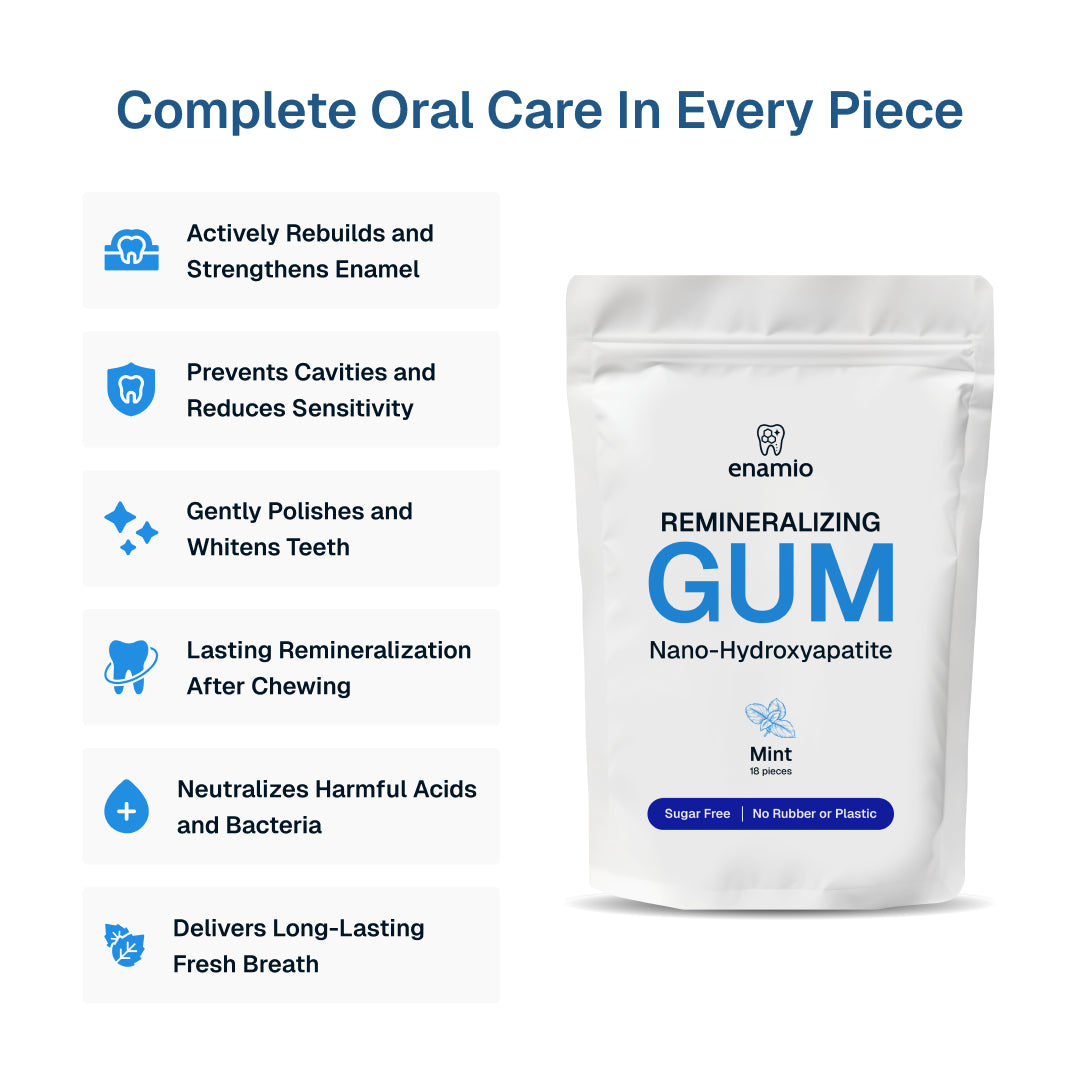
Remineralizing gum serves a specific purpose. Deliver minerals to teeth. Fight cavity-causing bacteria. Stimulate protective saliva. Maintain alkaline pH.
Erythritol does none of those things. It's filler. Dead weight in the formula taking up space that could be used for functional ingredients.
Xylitol does all of them. It's functional, not decorative.
When you're creating a product to improve oral health, every ingredient should contribute to that goal. If it's not making teeth stronger or mouths healthier, it shouldn't be there.
Enamio Formula Breakdown
Sweeteners (Function: Taste + Oral Health):
- Xylitol USP: Pharmaceutical-grade for cavity prevention, bacterial control, pH management, and saliva stimulation
- Monk fruit extract: Natural high-intensity sweetener with antioxidant properties, zero cardiovascular concerns
- Erythritol: ZERO. Not one gram. Never has been, never will be.
Remineralizing Actives (Function: Enamel Rebuilding):
- 20nm carbonate nano-hydroxyapatite: Optimal particle size for deep enamel penetration and integration
- Calcium glycerophosphate: Bioavailable calcium source for immediate mineral delivery
- Magnesium citrate: Enhances mineral absorption and enamel crystalline structure
- L-arginine bicarbonate: pH control through the arginine-deiminase pathway
- Bamboo silica: Strengthens enamel matrix and supports remineralization
- Zinc gluconate: Antimicrobial protection against cavity-causing bacteria
Additional Support (Function: Biofilm Disruption + Sustainability):
- Matcha green tea extract: Disrupts bacterial biofilms before they become plaque
- Natural chicle base: Plastic-free gum base from chicle tree sap, biodegradable
- Natural mint flavor: Clean taste without artificial additives
Every ingredient serves a purpose. Nothing is there just to bulk up the formula or cut costs. This is what happens when you prioritize function over marketing.
When the Cleveland Clinic study published, we didn't need to scramble. We didn't need to reformulate. We didn't need to issue damage control statements.
We already had it right. Not because we predicted the cardiovascular findings. But because we focused on what actually matters for oral health from the beginning.
The Formula That Got It Right From Day One
Xylitol USP + monk fruit • 7 remineralizing actives • Zero erythritol • Natural chicle base
What the Research Really Means for You
The Cleveland Clinic study tested high doses. 30 grams of erythritol at once. That's more than most gum contains per piece. A typical piece of erythritol-sweetened gum contains about 0.5-1 gram.
Does that mean small amounts are safe? Maybe. The research doesn't answer that definitively. The observational studies looked at cumulative blood levels, not single-dose exposure.
But here's the real question. Why take any risk when better alternatives exist?
Xylitol provides actual oral health benefits that justify its inclusion. Monk fruit adds sweetness with zero concerns. You're not sacrificing anything by avoiding erythritol.
If anything, you're gaining benefits. Better cavity prevention through xylitol's bacterial control. Superior pH management. Enhanced saliva flow. Peace of mind.
For people with cardiovascular risk factors:
Dr. Hazen specifically noted that people with diabetes, obesity, metabolic syndrome, or existing heart disease should be particularly cautious about erythritol consumption.
These are exactly the populations most likely to choose sugar-free products for health reasons. The irony is painful. You're trying to protect your health by avoiding sugar, but the replacement might be increasing your cardiovascular risk.
If you fall into any of these categories, erythritol-free options like Enamio make even more sense. Don't let sugar-free marketing override the cardiovascular science.
Frequently Asked Questions
Is erythritol really dangerous or is this just hype?
The Cleveland Clinic study published in Nature Medicine (one of the most prestigious medical journals) showed people with highest erythritol blood levels had twice the risk of heart attack and stroke. The research included over 4,000 people across multiple countries with three-year follow-up. Follow-up studies in 2024 confirmed the findings with intervention trials showing direct platelet activation. This is peer-reviewed research from a top medical institution, not internet hype. The FDA hasn't pulled approval yet, but the science is concerning enough that we chose to avoid it entirely.
Why is xylitol better than erythritol for oral health?
Xylitol actively fights cavities by starving cavity-causing bacteria (Streptococcus mutans). These bacteria can't metabolize xylitol, so they stop producing acid and stop multiplying. Research shows 30-40% cavity reduction with regular xylitol use. It also prevents plaque formation, raises oral pH to alkaline levels, and stimulates protective saliva flow. Erythritol does none of these things. It's just a zero-calorie sweetener with no oral health benefits. For remineralizing gum, xylitol is functional while erythritol is just filler that brings potential cardiovascular risk.
What is monk fruit and why do you use it?
Monk fruit is a small melon from Southeast Asia containing natural compounds called mogrosides that are 200-300 times sweeter than sugar. It provides intense sweetness in tiny amounts with zero calories and zero glycemic impact. Unlike sugar alcohols, monk fruit doesn't accumulate in blood or affect platelet function. It has FDA GRAS status and centuries of safe use in traditional Chinese medicine. We use it to add extra sweetness without bulk sweeteners, complementing the cavity-fighting benefits of xylitol. The combination gives you functional oral health benefits plus clean taste without cardiovascular concerns.
How much erythritol did the Cleveland Clinic study test?
The human intervention portion gave participants 30 grams of erythritol in one drink. That's roughly the amount in a pint of sugar-free ice cream or one artificially sweetened beverage. Erythritol levels spiked 1,000-fold and stayed elevated for over two days. Most gum contains less per piece (0.5-1 gram), but the observational studies looked at cumulative blood levels from normal dietary consumption, not just the 30g test dose. People consuming multiple erythritol products throughout the day could reach concerning levels even from smaller individual servings.
Do other natural gum brands use erythritol?
Yes, many do. Check the ingredient labels on brands like Simply Gum, PUR, and others. Erythritol often appears as a primary sweetener. Some combine it with xylitol. Even after the 2023 Cleveland Clinic study, most brands haven't reformulated. They're waiting for FDA action rather than proactively switching to safer alternatives. This is partly due to cost (erythritol is cheaper than xylitol and monk fruit), partly due to marketing inertia, and partly because consumer awareness of the research remains low. Always read labels carefully and look for products that explicitly state they don't contain erythritol.
Can I still use toothpaste with erythritol?
Toothpaste contains much smaller amounts than foods and beverages, and you spit it out rather than swallowing. The Cleveland Clinic researchers noted toothpaste is less concerning than food products where erythritol enters the bloodstream. That said, Dr. Hazen's advice was "be aware that consumption of a product containing high levels could increase risk." Toothpaste is lower risk than gum you chew and swallow. But xylitol-based toothpaste provides better cavity prevention anyway, so why not choose products that avoid erythritol entirely?
Why did it take so long to discover erythritol's risks?
Erythritol use in processed foods exploded over the past 10-20 years with the keto and sugar-free trends. Long-term cardiovascular studies take years to complete. Most early erythritol research focused on glucose metabolism and digestive tolerance, not cardiovascular effects. The Cleveland Clinic team was specifically looking for metabolic signatures that predict heart disease when they discovered the erythritol connection. They weren't studying sweeteners initially. They were trying to identify any compound that correlated with cardiovascular events.
It wasn't until they had enough data from thousands of patients over multiple years, plus advanced metabolomics technology, that the pattern became clear. This highlights why we should be cautious with "generally recognized as safe" ingredients that haven't been studied long-term at the high consumption levels seen in today's sugar-free products. The original safety assessments didn't anticipate people consuming 30+ grams daily from multiple sources.
Is "natural" erythritol any different from regular erythritol?
No. "Natural" erythritol is a marketing term referring to how it's produced (fermentation of non-GMO corn glucose), not a different compound. The molecular structure is identical regardless of source. Your body can't tell the difference between natural and synthetic erythritol. The cardiovascular concerns apply equally to both. Whether erythritol comes from organic corn or conventional corn doesn't change how it affects your platelets and blood clotting. The "natural" label makes people feel better about the ingredient, but it doesn't change the biochemistry.
The Bottom Line
Erythritol seemed like a great solution to the sugar problem. Zero calories. Doesn't spike blood sugar. Naturally derived. Better digestive tolerance than other sugar alcohols. What's not to love?
The Cleveland Clinic research revealed what's not to love. Increased blood clot formation. Doubled cardiovascular event risk over three years. Platelets that stay hyperactive for days after consumption.
For remineralizing gum, erythritol was never necessary. Xylitol provides actual cavity-fighting benefits backed by 50 years of research. Monk fruit adds clean sweetness with centuries of safe use. Together they create the optimal formula without compromise.
We chose this path before the research made headlines. Not because we predicted the cardiovascular findings. But because we focused on what oral health actually requires. Function over filler. Science over trends. Results over marketing.
Every ingredient in Enamio serves a purpose. Xylitol fights cavities and controls bacteria. Monk fruit provides clean sweetness. Nano-hydroxyapatite rebuilds enamel. L-arginine manages pH. Natural chicle eliminates plastic.
Nothing is there just to cut costs or follow trends. This is what happens when you build a product to actually work rather than just sell.
That's why Enamio will never contain erythritol. Not now. Not ever. Even if the FDA never pulls approval. Even if competitors continue using it. Even if it costs more to use better ingredients.
Your oral health deserves better. Your cardiovascular health deserves better. You deserve products formulated with your actual wellbeing in mind.
Written by Enamio Science Review Team
Related reading: See how sweeteners fit into a complete formula in Enamio remineralizing gum and the broader remineralizing gum comparison.
We review current research on sweeteners, oral health, and ingredient safety so you can make informed choices.
Published: December 18, 2025
Last reviewed: December 18, 2025
References
- Witkowski M, et al. "The artificial sweetener erythritol and cardiovascular event risk." Nature Medicine. 2023;29:710-718.
- Cleveland Clinic. "Study Finds Common Artificial Sweetener Linked to Higher Rates of Heart Attack and Stroke." February 2023.
- Hazen SL, et al. "Erythritol and cardiovascular events." National Institutes of Health. 2023.
- Cleveland Clinic. "Study Adds to Evidence That Sugar Substitute Erythritol Raises Cardiovascular Risk." August 2024.
- California Dental Association. "Xylitol: What is it and what are the benefits?" 2024.
- Riley P, et al. "Xylitol in preventing dental caries: A systematic review and meta-analyses." PMC. 2017.
- Mäkinen KK. "The effect of xylitol on dental caries and oral flora." PMC. 2014.
- Frontiers in Nutrition. "Xylitol-Containing Chewing Gum Reduces Cariogenic and Periodontopathic Bacteria." 2022.
- Cramer T, Gonder U, Kofler B. "Plasma erythritol and cardiovascular risk: is there evidence for an association with dietary intake?" Frontiers in Nutrition. 2023.
- Peter Attia, MD. "More hype than substance: erythritol and cardiovascular risk." 2023.
This content is for informational purposes only and is not intended to diagnose, treat, cure, or prevent any disease. The information provided should not replace professional medical or dental advice. Consult your healthcare provider before making changes to your diet or oral care routine.
